
Lake Loudon Tennessee Waterfront Property Taxes – Vary From County to County- Here’s What You Need to Know

Table of Contents

Fort Loudoun Lake Sits in Three Counties — And Your Property Tax Bill Depends on Which One

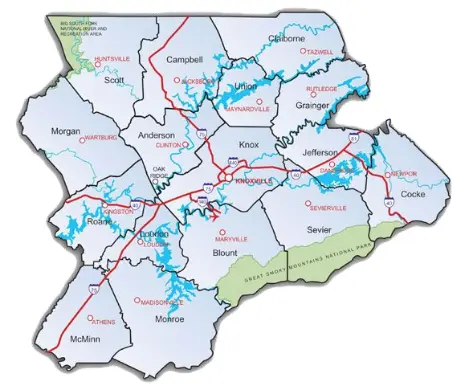
Same lake, same view, three different tax bills. Fort Loudoun Lake runs from downtown Knoxville down to the dam at Lenoir City, and along the way it touches Knox County, Blount County, and Loudon County. Before you fall for a house on the water, you need to know which county line you’re buying on — because that decides what you pay every single year, not just what you pay at closing. Lake Loudon Tennessee Waterfront Property Taxes vary from county to county.

Knox County (Farragut, Knoxville, Concord, Choto)

This is where I sell most of my waterfront business, and it comes with a real advantage: the Town of Farragut has no municipal property tax. Zero. If your lot is in Farragut, you pay the Knox County rate and nothing else. Buy in Knoxville city limits instead — Sequoyah Hills, Westland — and the city adds its own rate on top of the county’s.

Knox County is also mid-reappraisal for 2026, and the county assessor has floated a new rate meaningfully lower than the current one to offset rising home values. Translation: the number on an old listing sheet may not be what you actually pay next year. Ask me for the current certified rate before you run your numbers.

Blount County (Louisville and the south shore)

Louisville sits on the Blount County side of the lake and, like Farragut, it’s unincorporated — no city tax layered on top of the county rate. Buy inside Maryville’s city limits and you’ll add a municipal rate to your bill.

Blount just went through its own reappraisal, and the county dropped its rate to keep the total tax haul roughly flat even though home values jumped double digits. Good news if you’re already there — but it means the “old” rate you might see quoted online is no longer accurate.

Loudon County (Lenoir City and the dam side)

Loudon County generally runs the lowest effective property tax burden of the three — it’s part of why Lenoir City has become the landing spot for buyers priced out of Farragut. But if your address is inside Lenoir City limits rather than the unincorporated county, the city tacks on its own rate, so two houses a mile apart can carry noticeably different bills.

The Bottom Line

Don’t compare these counties on sale price alone. Compare county rate plus city rate (if any), because that combination is what actually shows up on your tax bill every October. And with all three counties adjusting rates around 2026 reappraisals, “what I heard my neighbor pays” is not a number to build a budget on. Get the current rate for the specific parcel before you write an offer.

And While We're Talking Lake Logistics

Taxes aren’t the only thing that changes shore to shore. Every dock on this lake sits on TVA-managed land and needs a shoreline permit — verify it before you get attached to the house. Flood elevation varies lot to lot even on the same cove, and it drives your insurance cost more than people expect. And Fort Loudoun holds a more stable year-round water level than drawdown lakes like Norris or Cherokee, which is part of why it holds value. I cover all of that in more detail elsewhere — but taxes are the one buyers ask me about least and regret skipping the most.

Here's What to Do Next

If you’re comparing a house in Farragut to one in Louisville to one in Lenoir City, don’t guess at the tax math. Text or call me at 865-333-2722 — let’s talk about what you actually need, and I’ll pull the real numbers for the specific properties you’re looking at. You can also read my blog on lakefront elevations here: Lake Loudon Flood Elevation
Share This Page