Why Two Nearly Identical Lake Houses Can Have Two Very Different Insurance Bills
If you’re looking at a house on Fort Loudoun Lake right now, there are three things you need answered before you write an offer — and almost nobody selling waterfront around here brings them up first. I put the full breakdown in a video. There is a correlation between your lakehouse elevation and your flood insurance bill.
Watch it here: https://youtu.be/FRa6AkQm18M?si=0_kzlLgnVExFpm1n
This post is about the one that costs people real money if they skip it: flood elevation.
Fort Loudoun is managed — but not every lot sits the same
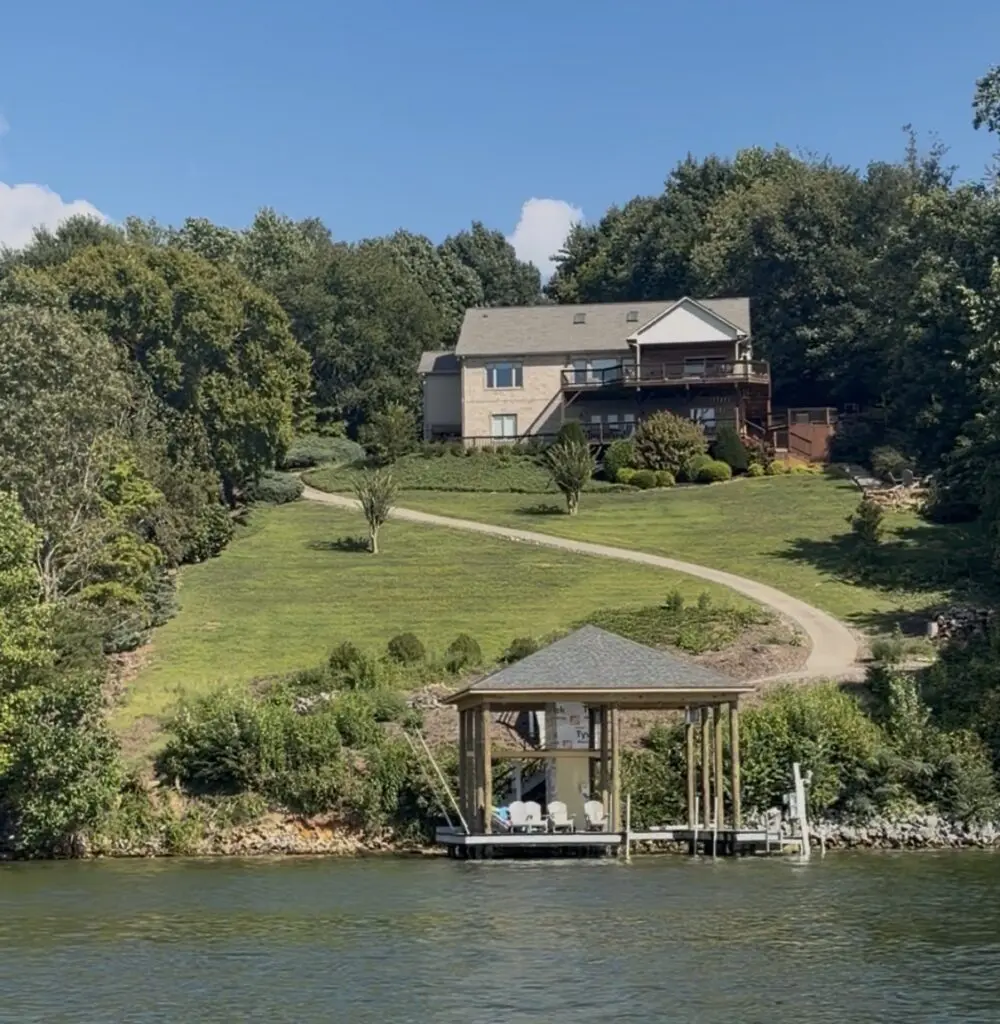
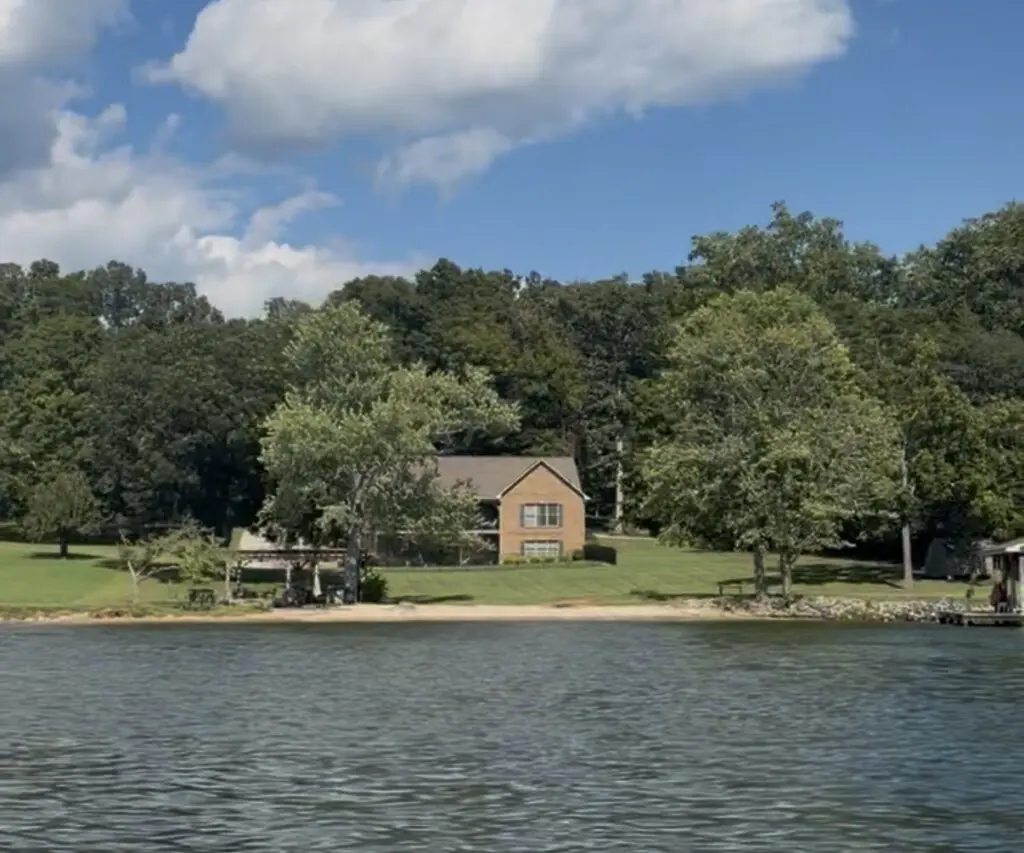
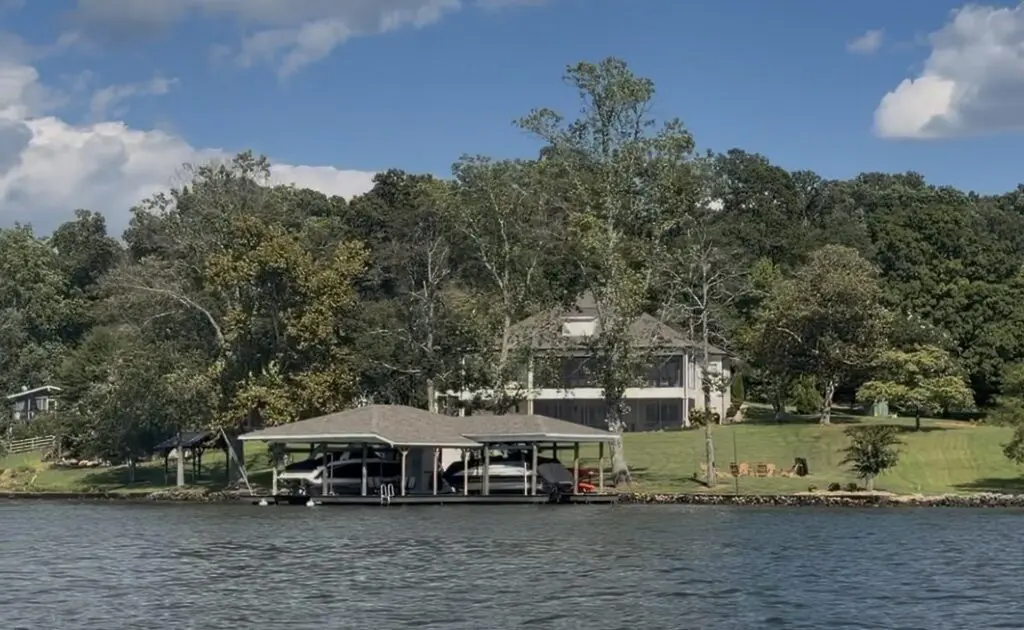
Fort Loudoun is part of a managed lake system, which means water levels are controlled. But some lots still sit lower than others relative to the flood plain. Two houses can look identical from the road and carry completely different flood insurance costs, because of a few feet of elevation you’d never notice just walking the yard.
I always pull the elevation certificate as part of due diligence on a waterfront contract. It’s one document, and it tells you exactly what you’re going to pay every single year to insure that property — before you’re locked into the number.
Don’t take the listing agent’s word for the insurance estimate
Get an actual quote from a carrier who insures waterfront property on this specific lake, during your due diligence period, while you can still walk if the number doesn’t work. A generic online quote will not reflect what a particular lot actually costs to insure. That number can be the difference between a monthly payment that works for your budget and one that doesn’t — and it has nothing to do with the size of the house or the finishes inside it.
Why the water level itself isn’t the real risk
Fort Loudoun holds a noticeably more consistent level year-round than lakes like Norris or Cherokee, which draw down significantly once the season turns. That stability is part of why this lake holds value. It also means the flood risk on a given lot is less about the lake rising and falling and more about where that specific lot sits relative to the flood plain to begin with — which is exactly why the elevation certificate matters more than the view does.
What this means for your offer
Elevation isn’t just an insurance-cost question. It affects what a lender will require, what a future buyer will ask about when you go to sell, and in some cases, what you’re even allowed to build or add later. It’s a due diligence item, not a footnote — the same way I’d tell you to check the dock permit before you get attached to the dock.
What I check before a client writes an offer on this lake
Dock permit status, the elevation certificate, shared-dock rules, and how that specific cove behaves in a dry year. That’s the list most buyers never think to ask for — and it’s the difference between finding out before you’re under contract and finding out after.
If you want the dam story behind why this lake exists at all, I covered that too. History of Lake Loudon Dam
If you’re actively looking on the lake, text or call me. Let’s talk about what you actually need before you tour another one.

Niki Walker | NikisellsTN.com | 865-333-2722 | niki@nikisellstn.com | Wallace Real Estate | Knoxville, TN
Information believed accurate but not guaranteed — verify all lake, permit, and insurance details independently before purchase.